How CFD can present in patients
Afibrinogenemia typically manifests as hemorrhage in the neonatal period, with umbilical stump bleeding reported in approximately 85% of cases3

Individuals with hypofibrinogenemia (fibrinogen levels ≤ 150 mg/dL) are typically asymptomatic but may bleed more easily if injured or if another bleeding disorder is present4
Females with afibrinogenemia have reported menorrhagia, menometrorrhagia, and postpartum hemorrhage5
VIDEO
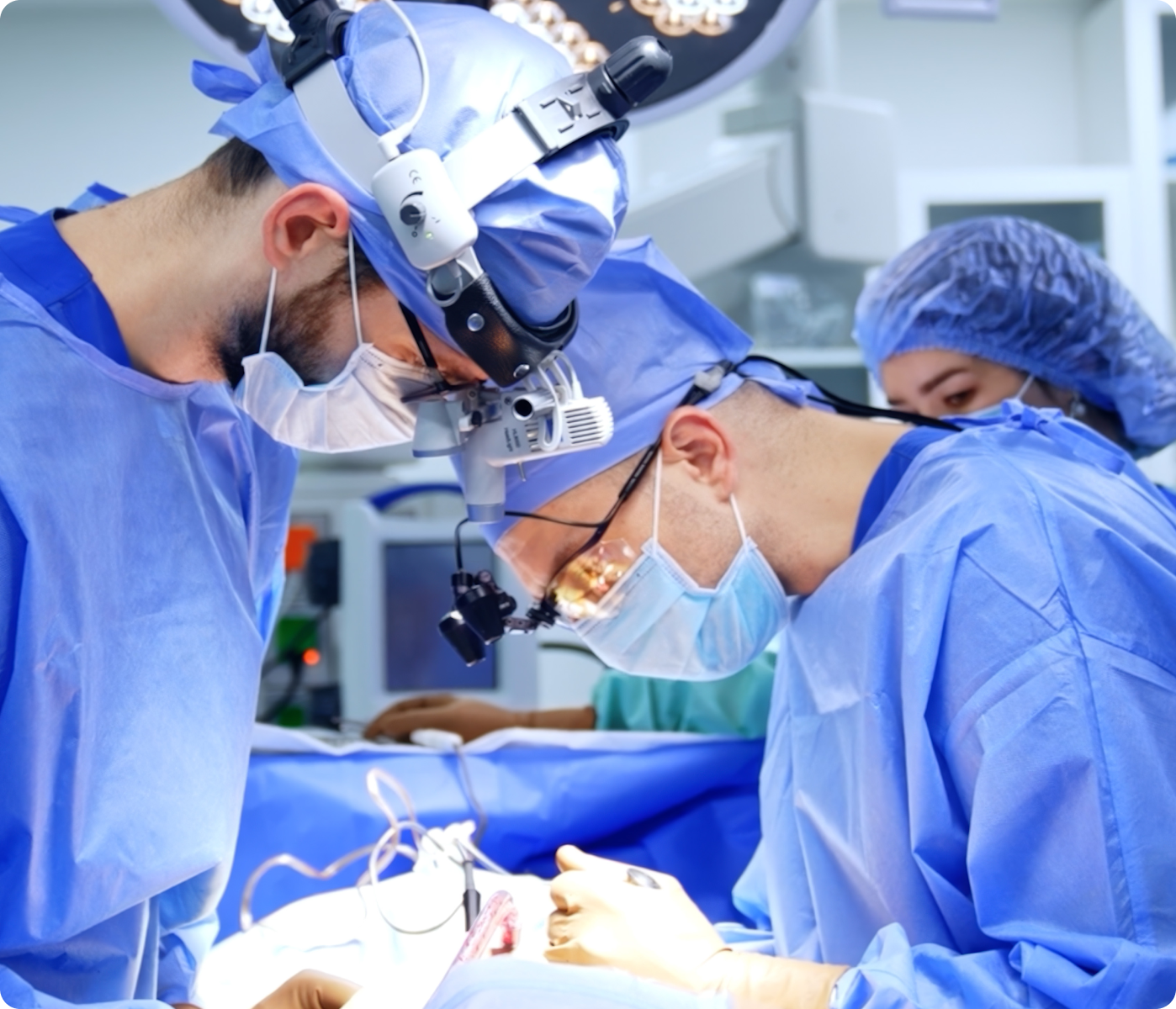
Considerations for patients with CFD in a hospital setting
A discussion about the considerations for patients with CFD in a hospital setting and the importance of educating hospital staff about the condition.
VIDEO
Patient education for CFD
Gain a better understanding of how to educate patients and their caregivers about recognizing and managing CFD.

References
- May JE, Wolberg AS, Lim MY. Disorders of fibrinogen and fibrinolysis. Hematol Oncol Clin North Am. 2021;35(6):1197-1217.
- Casini A. How I treat quantitative fibrinogen disorders. Blood. 2025;145(8):801-810.
- de Moerloose P, Neerman-Arbez M. Congenital fibrinogen disorders. Semin Thromb Hemost. 2009;35:356-366.
- Peyvandi F. Epidemiology and treatment of congenital fibrinogen deficiency. Thromb Res. 2012;130(S2):s7-s11.
- Acharya SS, DiMichele DM. Rare inherited disorders of fibrinogen. Haemophilia. 2008;14:1151-1158.